
From May 11–13, 2026, community leaders, policymakers, and practitioners from across British Columbia and Yukon gathered in Surrey for the 5th Annual BC–Yukon LIP/RIF/ZIP Network Conference. This dynamic, multi-day event brought together Local Immigration Partnerships (LIPs), Réseaux en immigration francophone (RIFs), and community partners to collaborate, reflect, and reimagine how we build inclusive, welcoming communities for newcomers.
A Meaningful Opening: Grounding the Work
The conference opened with a powerful welcome and territorial acknowledgment, recognizing the ancestral lands of the Semiahmoo, Katzie, Kwikwetlem, Kwantlen, Qayqayt, Musqueam, and Tsawwassen First Nations. This grounding set a thoughtful tone, emphasizing that newcomer inclusion must be rooted in respect for Indigenous sovereignty, truth, and reconciliation.
Participants were also reminded of the broader context shaping their work: shifting immigration policies, reduced federal funding, and growing pressures on housing, infrastructure, and community services. These challenges framed the importance of collaboration and innovation throughout the conference.
Inspiring Conversations and Shared Learning
The event featured a diverse lineup of keynote speakers, panelists, and facilitators who explored the evolving landscape of immigration and settlement.
One of the highlights was the opening keynote by Khari Wendell McClelland, who’s creative and values-driven approach energized attendees. Through storytelling, music, and experiential insight, he encouraged participants to think differently about leadership, community-building, and social transformation.
Throughout the conference, sessions focused on:
- Emerging economic trends and their impact on communities
- Shifts in immigration levels and labour market dynamics
- Newcomer needs and service gaps
- Strategies for intersectoral collaboration
- Policy developments shaping the settlement sector
These discussions offered both high-level insights and practical tools that participants could take back to their communities.
Navigating Change in Uncertain Times
A central theme across sessions was navigating a period of significant change. With reduced immigration targets and evolving federal priorities, communities are adapting to new realities.
Panel discussions highlighted:
- Slower job growth and economic uncertainty
- Regional differences in labour markets across BC and Yukon
- The increasing importance of workforce integration and employer engagement
- The growing role of technology, including AI, in shaping employment
Despite these challenges, speakers emphasized that Local Immigration Partnerships remain uniquely positioned to act as coordinators, bridge-builders, and catalysts for community resilience.
Community Voices and Regional Perspectives
Interactive sessions, including regional discussion tables, provided space for participants to share lived experiences and local insights. These conversations surfaced:
- Key service gaps and emerging pressures in communities
- Innovative partnerships addressing local challenges
- Practical recommendations for strengthening immigration outcomes
This peer-to-peer exchange reinforced the value of collective knowledge and the strength of the network.
Advancing Equity and Inclusion
The second day deepened the conversation by focusing on policy, equity, and systemic change.
Highlights included:
- A policy primer on Bill C-12 and its implications
- Workshops exploring newcomer journeys and resilience
- Guidance on meaningful Indigenous engagement
- A collaborative anti-racism campaign lab
These sessions emphasized that building welcoming communities goes beyond service delivery—it requires actively addressing systemic barriers, racism, and exclusion.
Building connections with the BC Francophone Immigration Network
The third day focused on the Francophone Immigration Network (RIF) beginning with a presentation of the evolution of referrals and connections to the Francophone community: progress and challenges. Followed by an interactive trade fair-style forum which guided experiential learning of various Francophone integration pathways. The day concluded with panel discussions involving Community of Practice and key issues for Francophone SEBAA organizations, and inspirational perspectives on strengthening referrals and collaboration between the Francophone and Anglophone sectors.
From Vision to Action
A key milestone of the conference was the continued advancement of the BC–Yukon LIP/RIF/ZIP Strategic Plan. Participants explored how to translate shared priorities into actionable strategies that strengthen collaboration, improve outcomes, and sustain impact across the region.
Looking Ahead
As the conference concluded, one message stood out clearly: while the challenges ahead are complex, the collective strength of this network is even greater.
Through collaboration, innovation, and a shared commitment to inclusion, LIPs, RIFs, and their partners are helping ensure that newcomers—and the communities that welcome them—can thrive.
The conversations sparked over these three days will continue to shape policies, programs, and partnerships across British Columbia and Yukon for years to come.
By Katherine Hamilton, EKZIP Coordinator and attendee.
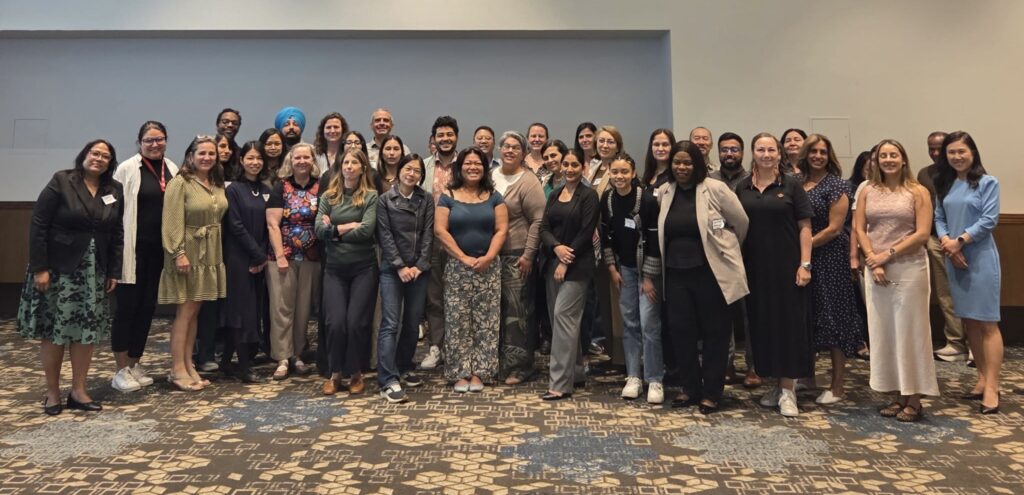
BC/Yukon Network 5th Annual Conference May 11-13, 2026. Attendees. Surrey, BC.